

A new generation of students receives the white coat at Nicolae Testemitanu State University of Medicine and Pharmacy
Published: 03.09.2026
- 492 vues

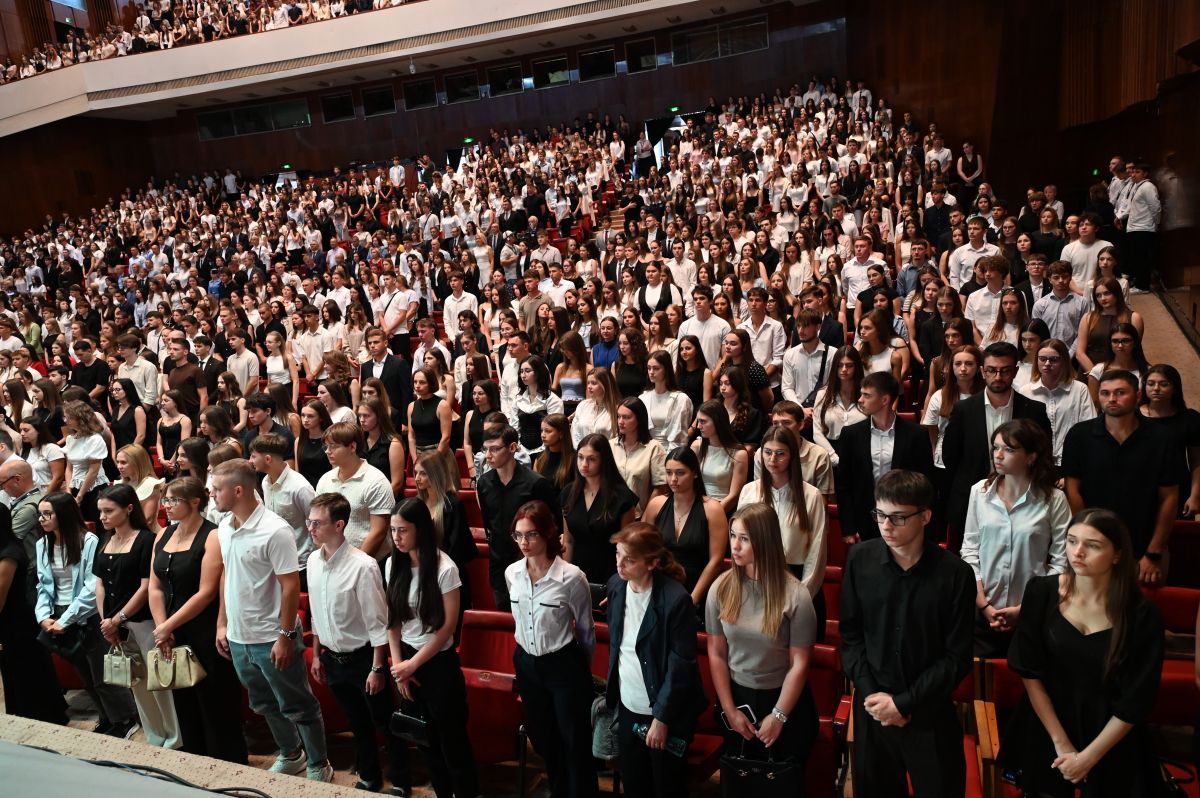
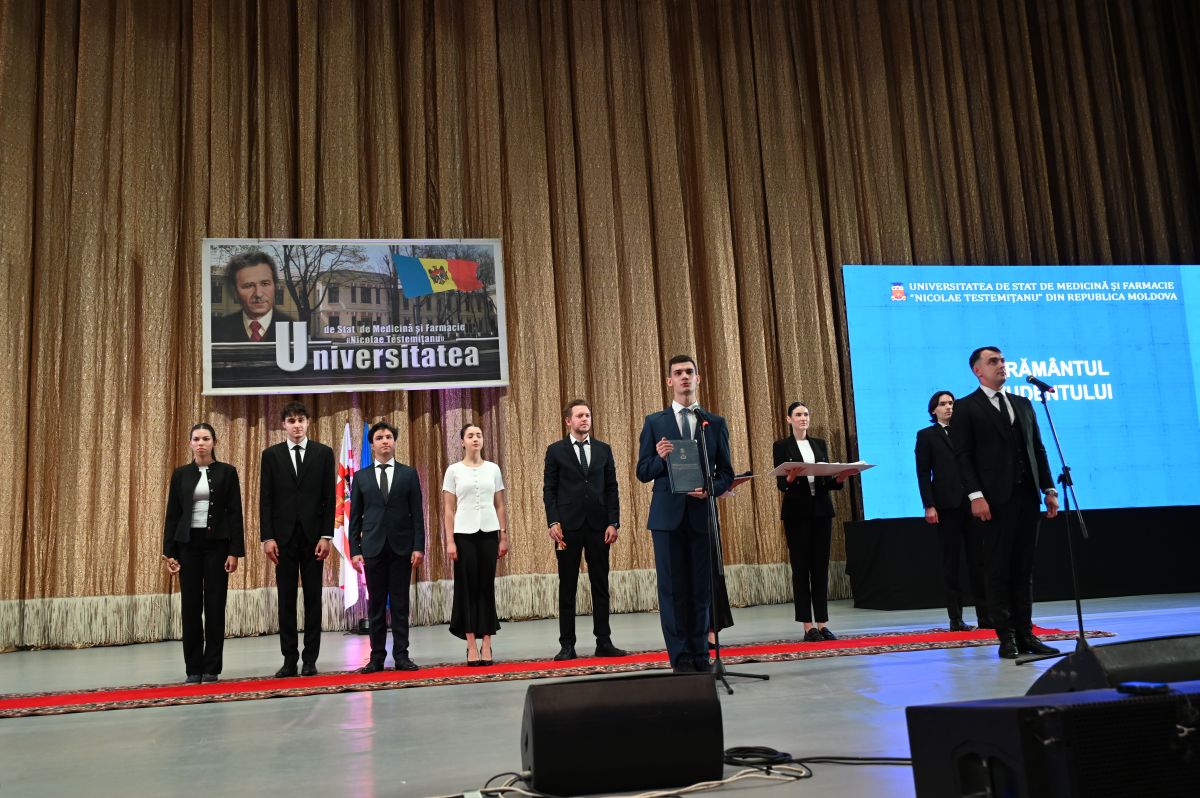
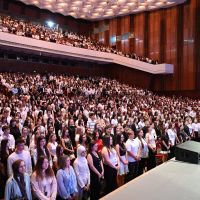
On September 1, 2026, first-year students admitted to Nicolae Testemitanu State University of Medicine and Pharmacy of the Republic of Moldova gathered for a solemn ceremony marking the beginning of their academic journey. The ceremony included the recitation of the Student Oath, symbolizing their commitment to the values and responsibilities of the medical and pharmaceutical professions.
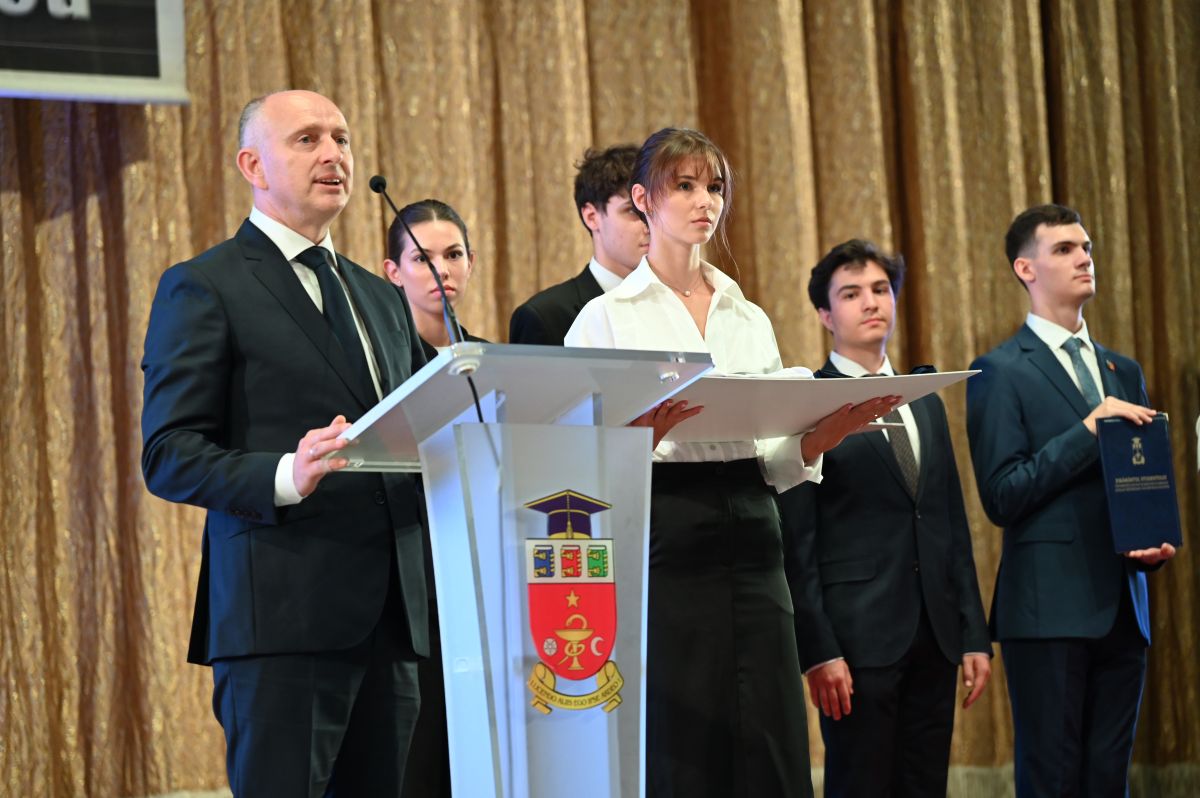
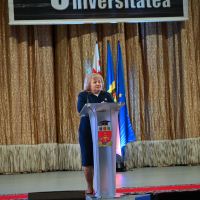
The event traditionally opened with the University Anthem, followed by a welcome address from Rector Emil Ceban. The Rector congratulated the students on their admission to one of the country’s most prestigious higher education institutions and highlighted the responsibility that comes with choosing a career in healthcare.
“Today, the doors of our university open wide to a new generation of students – future physicians and pharmacists who will become professionals serving the national healthcare system and beyond. You have fulfilled your dream of becoming university students and are now entering a new stage of your lives, stepping into the enigmatic and immensely fascinating world of knowledge,” said Emil Ceban. In his address, the Rector emphasized that technological progress and the development of artificial intelligence would never be able to replace the human dimension of medicine. Empathy, compassion, and the ability to understand a patient’s suffering, he noted, will remain fundamental values of the medical profession.
One of the most emotional moments of the ceremony was the solemn recitation of the Student Oath. Through this symbolic act, the students pledged to dedicate themselves wholeheartedly to their studies and future professions, while respecting their professors, academic community, and university traditions.
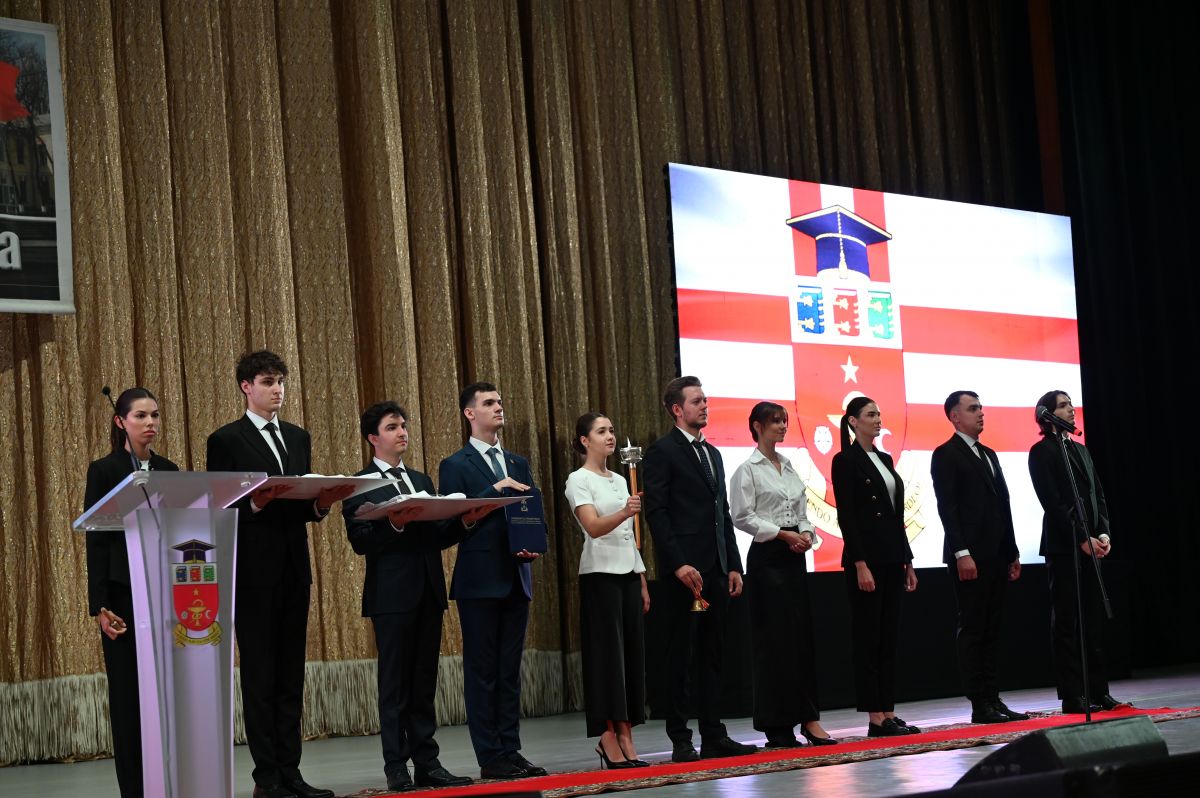
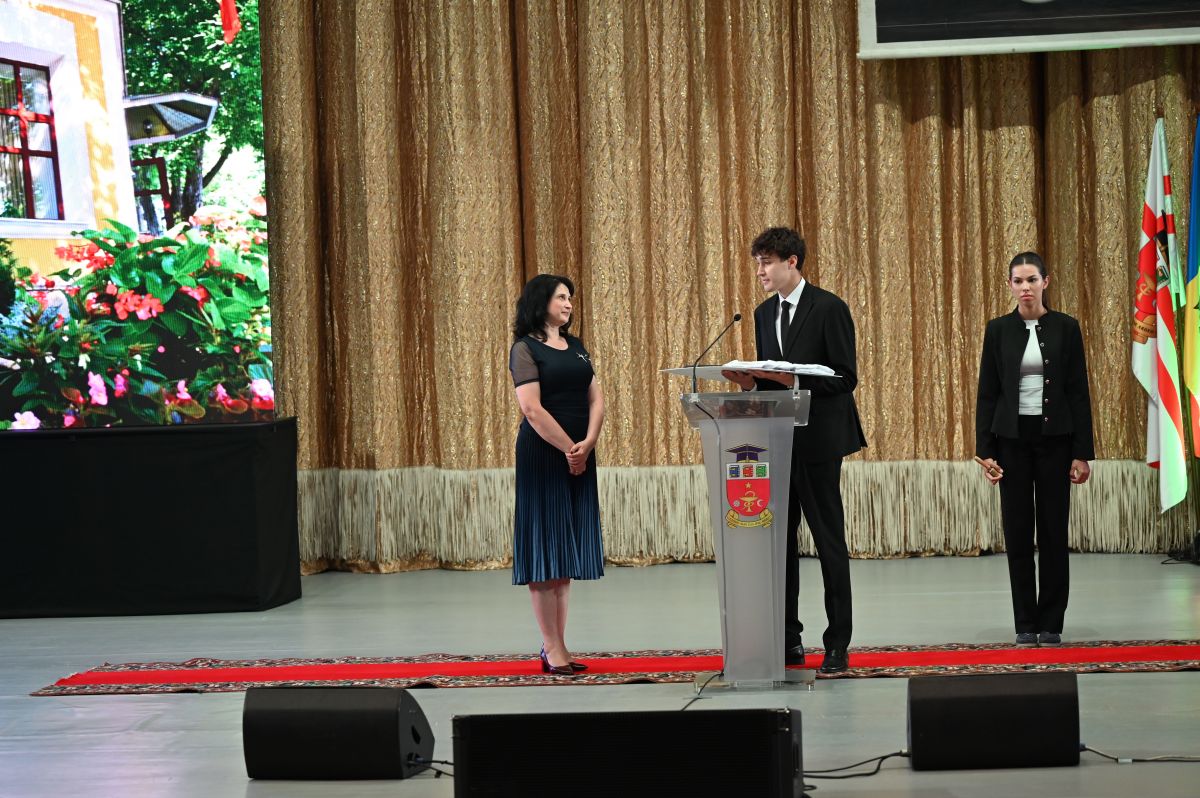
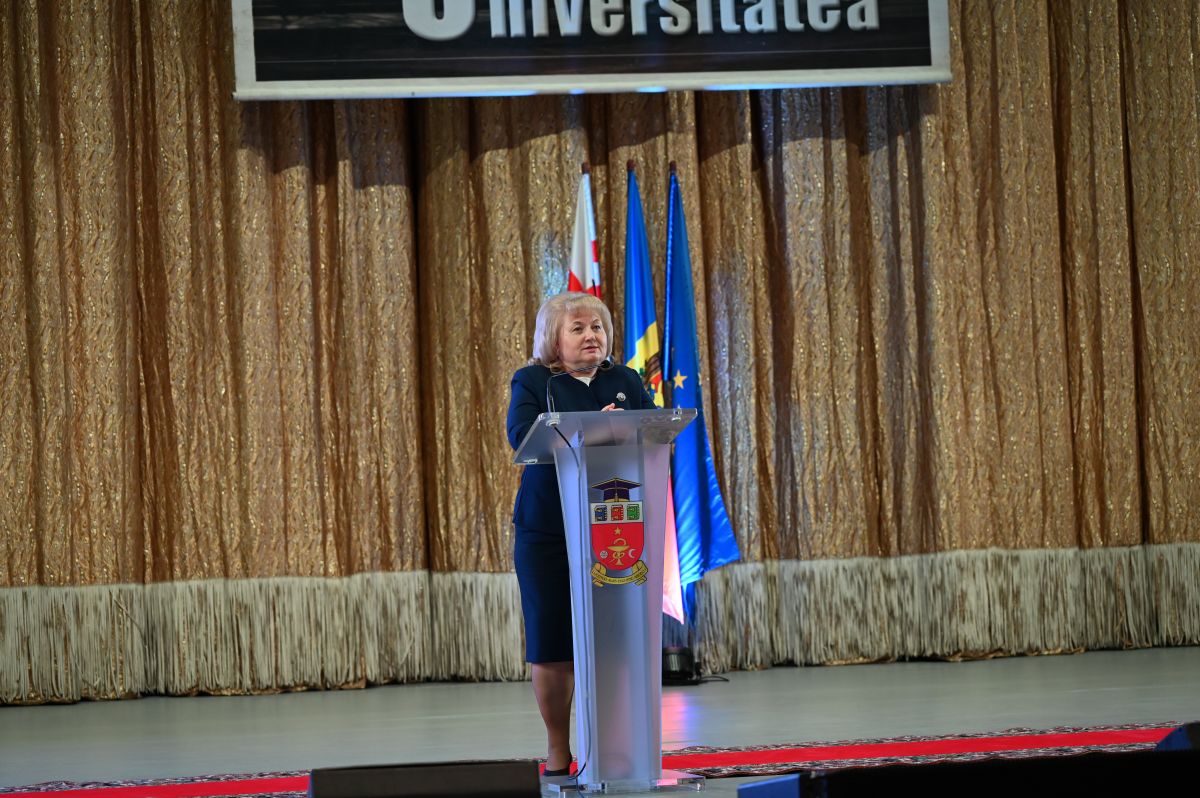
 Another highlight of the ceremony was the symbolic presentation of the white coat bearing the Nicolae Testemitanu State University of Medicine and Pharmacy brand, together with a scalpel, to representatives of the first-year students – future healthcare professionals. “The white coat is more than a garment. It is a symbol of responsibility, professionalism, respect, and empathy. I encourage you to wear it with pride and to strive to live up to the values it represents,” said Sanda Buruiana, Dean of the Faculty of Residency.
The journey toward a career in medicine requires perseverance, discipline, and sustained effort. Marcel Abras, Vice-Rector for Clinical Activity Management, encouraged the students to approach every stage of their education with dedication and seriousness. “Every fulfilled dream is supported by a strategy, great courage, and a tremendous amount of work. You will have us, your professors, by your side, and we will strive to teach you the many dimensions of medicine – from its traditional foundations to the latest developments in artificial intelligence, virtual reality, and digitalization. From a surgical perspective, the scalpel has been a fundamental instrument for centuries. Today, however, medicine has evolved to include da Vinci robotic surgical systems, 4K laparoscopic technologies, interventional cardiology, interventional radiology, and many other advanced approaches. You should understand that, depending on the knowledge you acquire and your professional development, you may one day make the difference between life and death. Study diligently so that you may become highly competent specialists with outstanding professional qualities”, said Marcel Abras.
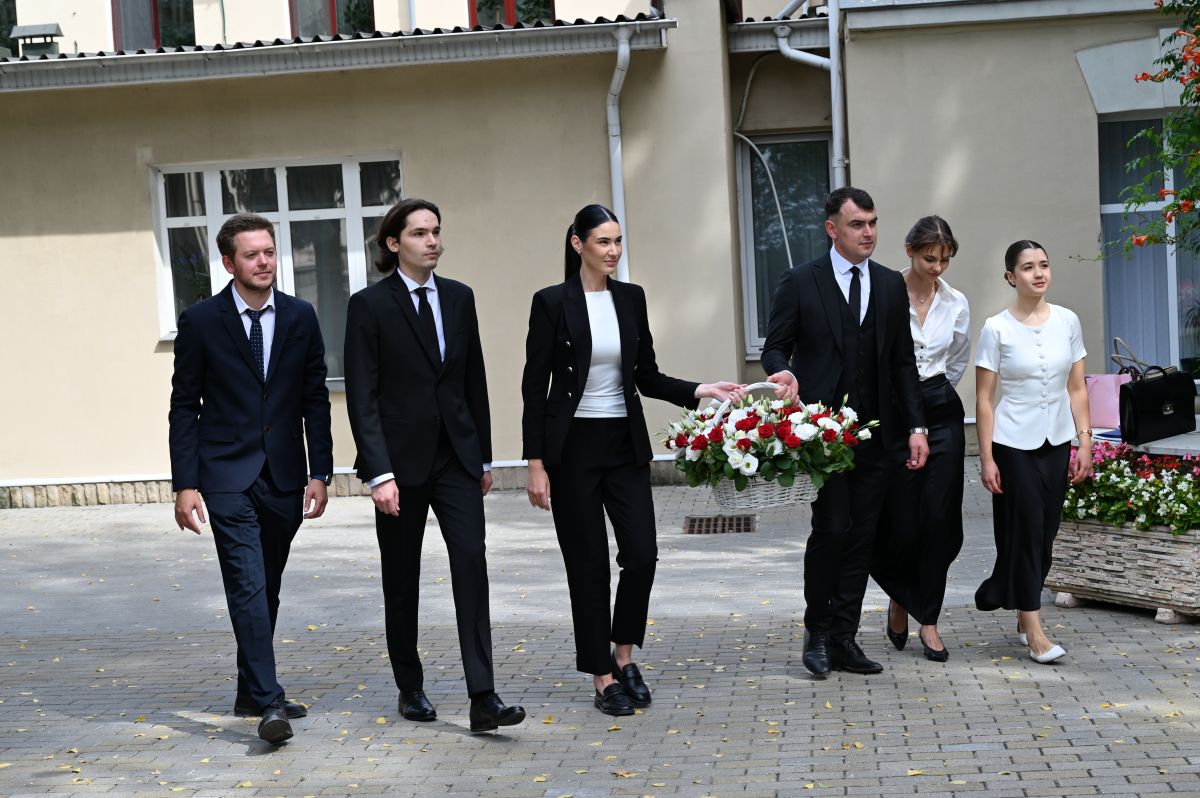
In turn, representatives of the first-year students symbolically received the Flame of Knowledge from their sixth-year colleagues. The gesture represents the continuity of academic tradition and the passing on of the light of knowledge imparted by generations of professors and students.
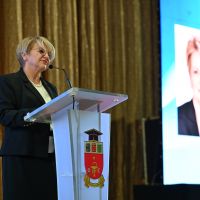
Olga Cernetchi, First Vice-Rector and Vice-Rector for Academic Affairs and Academic Management, emphasized that university education extends far beyond the acquisition of theoretical knowledge and practical skills. “At Alma Mater, you will gain more than theoretical knowledge and practical skills. Above all, you will develop a sense of responsibility toward yourselves, your colleagues, society, and, most importantly, toward the human being – the patient who will entrust you with both their life and health. In medicine, the educational process is structured so that each discipline provides the foundation for another. This is why continuous learning is essential. A dedicated effort during your university years may, in the future, enable you to establish an accurate diagnosis and save a human life”, said Olga Cernetchi.
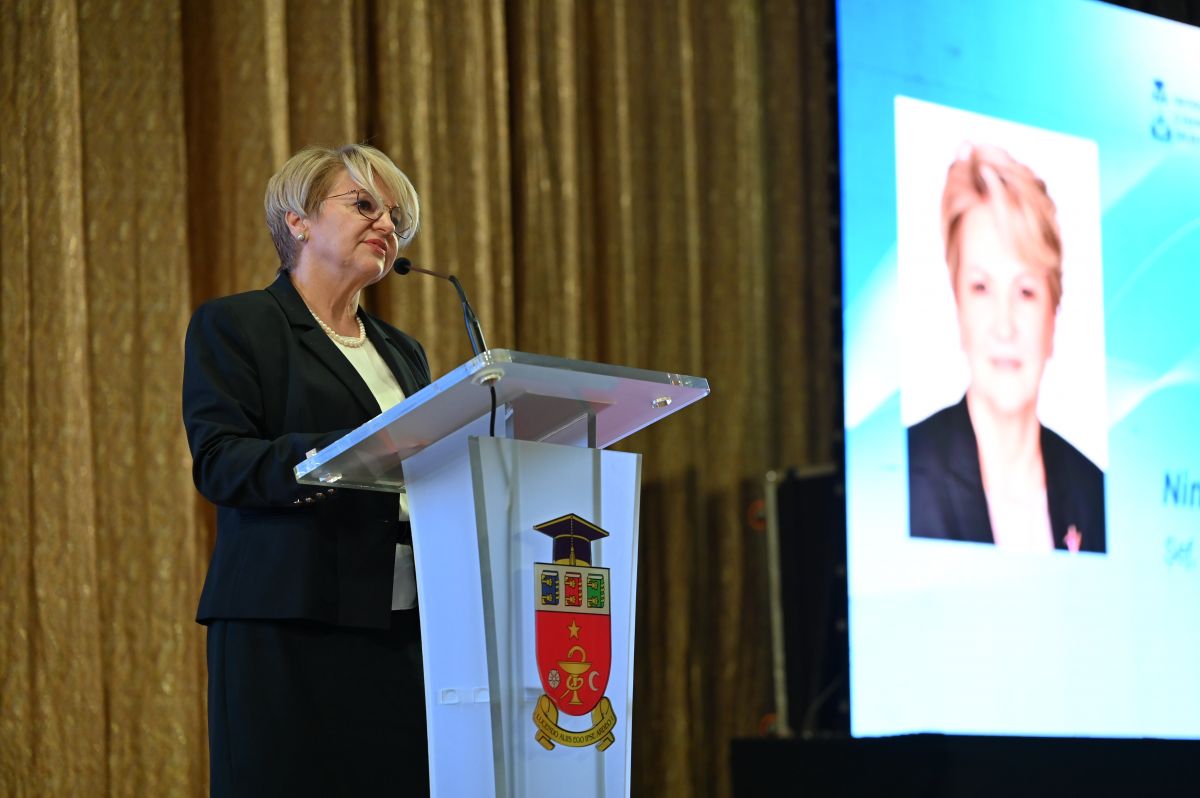
According to University Professor Ninel Revenco, Head of the Department of Pediatrics, medicine is not learned exclusively from textbooks – it is also experienced with compassion and humanity. “Keep this light alive in your eyes. Be courageous, ask questions, and make your mistakes in laboratories and simulation centers, so that you can learn how to be impeccable at the patient’s bedside. Most importantly, support your colleagues, because medicine is a team effort,” Professor Revenco told the students.
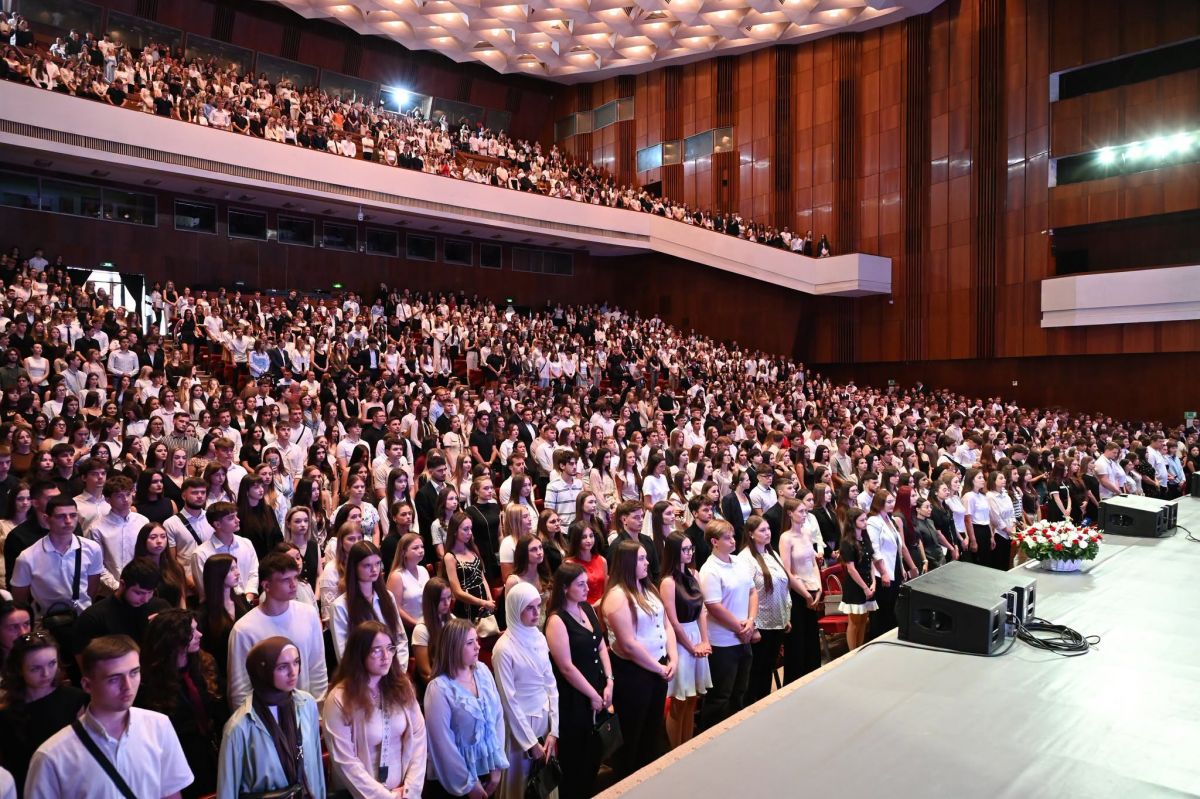
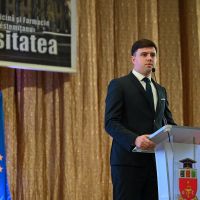
Life as a medical student, however, involves much more than lectures, examinations, and clinical training. Pavel Chisaru, President of the Association of Medical Students and Residents of Moldova, spoke to the first-year students about the importance of becoming actively involved in university life and about the opportunities available to them to develop, from the very beginning of their studies, the skills needed to become accomplished professionals and future leaders in healthcare. The representative of the Association encouraged the students to make full use of the opportunities provided by the University and to participate in research projects, volunteer initiatives, sports, and cultural and artistic activities.
In total, this year, 1,383 candidates were admitted through the admission competition to the Nicolae Testemitanu State University of Medicine and Pharmacy, as follows: 800 to the Medicine program (430 state-funded places, 370 fee-paying places), 149 to Stomatology (10 state-funded places, 139 fee-paying places), 146 to Pharmacy (10 state-funded places, 136 fee-paying places), 25 to Public Health (5 state-funded places, 20 fee-paying places), 30 to Optometry (5 state-funded places, 25 fee-paying places), 51 to General Nursing (10 state-funded places, 41 fee-paying places), 85 to Physiokinetotherapy and Rehabilitation (10 state-funded places, 75 fee-paying places), 30 to Technologies in Radiology and Imaging (10 state-funded places, 20 fee-paying places), 26 to Dental Nursing (5 state-funded places, 21 fee-paying places), and 42 to Medical Cosmetology and Cosmetic Product Technology (5 state-funded places, 37 fee-paying places).
For master’s degree programs, 79 candidates were admitted through the admission competition to the following study programs: 25 to Public Health Management (fee-paying), 12 to Human Nutrition (3 state-funded places, 9 fee-paying places), 8 to Public Mental Health (3 state-funded places, 5 fee-paying places), 7 to Molecular Technologies in Health (2 state-funded places, 5 fee-paying places), 7 to Clinical Optometry (2 state-funded places, 5 fee-paying places), 13 to Advanced Nursing (2 state-funded places, 11 fee-paying places), and 7 to Health Promotion and Protection (3 state-funded places, 4 fee-paying places).








Preluarea informației de pe site-ul USMF „Nicolae Testemițanu” poate fi efectuată doar cu indicarea obligatorie a sursei și a linkului direct accesat pe www.usmf.md.
Comentarii